
In today’s data-driven world, businesses are swimming in information—but without the right tools, it’s easy to miss valuable insights. This is where Business Analytics powered by Artificial Intelligence (AI) comes into play. It transforms raw data into actionable intelligence, helping companies make faster, smarter, and more profitable decisions.
🔍 What is Business Analytics with AI?
Traditional business analytics focuses on historical data to understand performance. AI takes this further by using machine learning, natural language processing, and predictive modeling to identify patterns, forecast outcomes, and even suggest actions in real time.
💡 Key Benefits of AI in Business Analytics
- Real-Time Insights
AI systems can analyze large volumes of data instantly, helping leaders make decisions on the fly. - Predictive Analytics
Go beyond “what happened” to “what will happen.” Forecast sales, customer churn, inventory needs, and market trends with high accuracy. - Automated Reporting
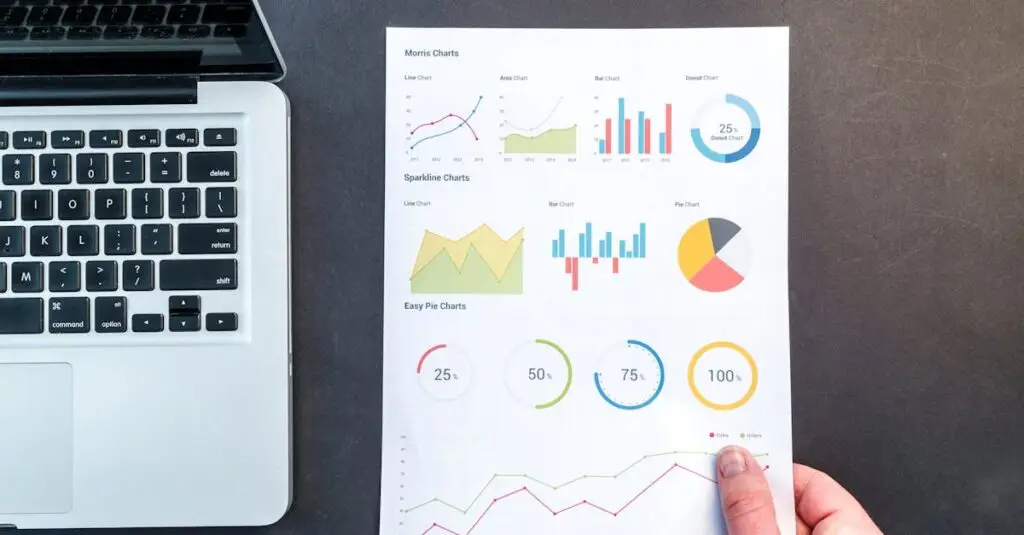
Say goodbye to manual dashboards. AI can auto-generate visual reports, summaries, and KPIs with natural language explanations. - Customer Intelligence
Analyze customer behavior across touchpoints and personalize experiences based on data patterns. - Risk Management
Detect anomalies, fraud, and potential threats before they impact the business.
🛠 Use Cases Across Industries
- Retail: Predict customer demand and optimize pricing.
- Finance: Analyze credit risk and detect fraud.
- Healthcare: Forecast patient needs and resource allocation.
- Manufacturing: Monitor operations and anticipate equipment failure.
- Marketing: Optimize campaigns based on real-time performance analytics.
🚀 The Future of Business with AI Analytics
As AI becomes more accessible, even small and medium-sized businesses can harness its power. With the right data strategy and tools, AI-driven analytics can uncover new opportunities, streamline operations, and fuel innovation.
✅ Final Takeaway
AI-powered business analytics is not just about data—it’s about clarity, foresight, and strategy. By turning data into decisions, businesses can stay ahead of the curve, adapt to market changes, and drive sustainable growth.